Collective effort required to manage COVID-related deaths
10 June 2020
With the rising number of fatalities attributed to the virus, the City urges caution and consideration in the planning of funerals.
The City of Cape Town continues to work non-stop to ensure that it is able to manage the increase in COVID-19 fatalities.
As the pandemic heads towards its peak in the Western Cape, the number of persons to succumb to the virus is expected to increase.
The City has already identified cemeteries that are capable of accommodating an increase in the number of burials.
There have also been engagements with a range of parties involved in the management of fatalities, including undertakers, religious groupings and other government departments. These engagements are ongoing.
‘We have indicated before that our ability to manage the expected rise in burials and cremations will be tested in the months ahead. Our goal is simple – to afford bereaved families and friends the opportunity to give their loved ones a dignified burial. COVID-19 fatalities are particularly difficult, because the virus has meant that people have died in isolation, away from their loved ones.
‘The national regulations around the management of COVID-19 fatalities have also removed many of the cultural norms and traditions that come with paying last respects to the deceased. Amid the new normal, we are trying to give family and friends left behind the comfort of a fitting burial or cremation, but it requires that everyone plays their part. Given the difficulty in diagnosing COVID-19 and the delay in receiving test results, we are urging families to consider all deaths as being potentially COVID-related, and taking the necessary precautions wherever possible,’ said the City’s Mayoral Committee Member for Community Services and Health, Councillor Zahid Badroodien.
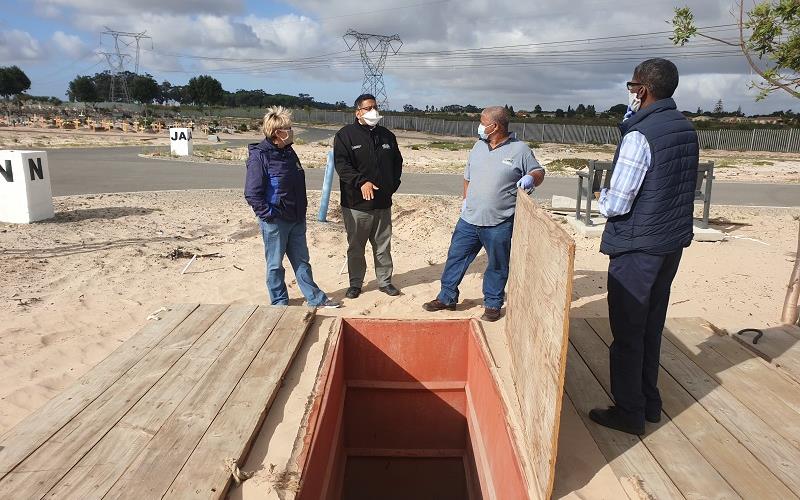
Amid the increase in requests for burials and cremations, the City advises the public and undertakers to please:
Stick to their allotted times for burial with only 30 minutes allowed per ceremony
Covid-19 deceased should be buried/cremated within three days in so far as possible, so therefore these burials must be prioritised and cannot be booked in advance in excess of three days after date of death.
Strongly consider weekday burials to reduce the number of burials on a Saturday as this impacts on the Department’s ability to manage funerals effectively, but also increases the risk of exposure to COVID-19
Consider cremation where cultural and religious beliefs do not preclude it
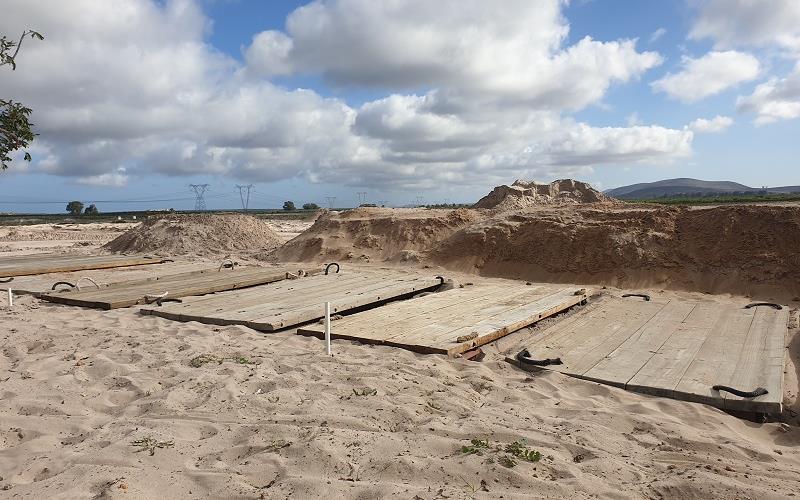
‘Currently, we remain able to offer services as requested, but we may have to reconsider going forward, if the number of fatalities increases exponentially. The City is taking necessary steps to prepare for the possibility of mass burials, which will only be conducted as a very last resort, with the dignity of the deceased being preserved as much as possible. This is a difficult prospect, but one that has to be considered if the situation demands,’ added Councillor Badroodien.
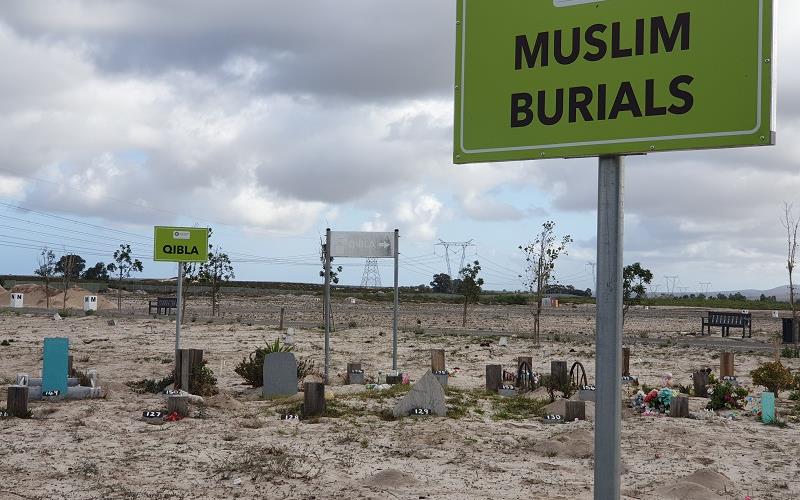
The City would also like to remind residents of the national regulations around the treatment of deceased persons and funerals. Currently, the following national regulations are in place:
Remains of a COVID-19 patient may only be transported in public if placed in a polythene bag, sealed in an airtight container, placed in a sturdy non-transparent sealed coffin, embalmed and covered with 5cm layer of sawdust which is treated with a disinfectant.
A medical practitioner must declare in writing that the conveyance of the remains will not constitute a health hazard.
The vehicle used must be designated and certified to transport remains.
If the deceased did not die of an infectious disease, the remains must be accompanied by a certificate to that effect, issued by a medical practitioner or forensic pathologist.
Cremation is highly recommended, but in the event of a burial, the accompanying service (funeral service and burial) may not last longer than two hours, with 30 min in the Cemetery. Only immediate family members should be present – COVID-19 patients may not attend.
Funeral services may be held – but a maximum of 50 attendees is permitted.
The following are guidelines drafted by the National Health Department around dealing with a COVID-related death in the home:
Call SAPS (10111), Emergency Medical Services (10177) and your family undertaker.
Inform these parties of the death and the circumstances – be sure to advise them of the deceased’s COVID-19 status.
Handle any of the deceased’s belongings with gloves and clean with a detergent, then disinfect with a solution of at least 70% ethanol or 0.01% bleach.
Machine wash any clothing or fabric belonging to the deceased with warm water at 60-90 degrees and laundry detergent. If machine washing is not possible, linens can be soaked in hot water and soap in a large drum using a stick to stir, avoiding splashing. The drum should then be emptied, and the linens soaked in 0.05% chlorine for approximately 30 minutes, rinsed in clean water and allowed to dry in full sunlight.
Follow up with your undertaker to instruct on burial or cremation.
Submit necessary information to your undertaker for the Death Certificate application (DHA-1663) from Home Affairs.
End
Published by:
City of Cape Town, Media Office